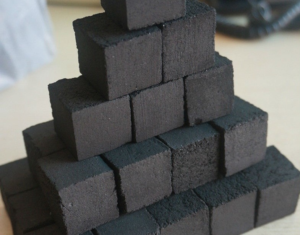
Charcoal briquette ingredients – The project involves the creation of compressed biomass briquettes from organic resources such as wood chips, sawdust, and agricultural waste. These briquettes, used for heating, cooking, and powering industrial equipment, are a sustainable and cost-effective alternative to traditional fossil fuels. Beginning a briquettes manufacturing enterprise may be a successful business venture that contributes to a more sustainable future.
However, careful planning and execution are required to ensure that the briquettes are high quality, meet industry standards, and are market competitive. This includes obtaining raw materials, investing in high-quality equipment and training, creating a marketing plan, and adhering to legal restrictions. With the increasing need for renewable energy sources and the government
The main ingredients of charcoal briquettes are a combination of charcoal (made from wood or other organic materials) and a binder, often made from a mix of water and a substance such as starch or molasses. Some manufacturers may also add fillers or other additives to improve the burning qualities or appearance of the briquettes. The type and ratio of ingredients used can affect the quality and performance of the final product, including factors such as burn time, heat output, and ash production. Additionally, some manufacturers may use sustainably sourced materials or employ eco-friendly production methods to reduce their environmental impact.
Here are The General Steps to Make Charcoal briquettes:
- Collect and prepare the raw materials: The materials for making charcoal briquettes usually include wood waste, sawdust, charcoal fines, and binder materials such as starch or molasses. These materials are collected, dried, and prepared for the briquetting process.
- Mix the materials: The prepared raw materials are mixed in proportions to form a homogenous mixture. This mixture usually comprises 70-80% charcoal fines and 20-30% other materials.
- Add the binder: The binder material is added to the mixture to help it stick together. The most common binders are starch or molasses, added in small quantities.
- Briquette production: The mixture is then compressed under high pressure using a briquetting machine to form the charcoal briquettes. The briquettes are then dried in a kiln or under the sun.
- Packaging: The final step is to package the briquettes in bags for storage and transportation.
It is worth noting that the specific steps and techniques used for making charcoal briquettes may vary depending on the type of raw materials used and the equipment available.
The Advantages of Using Charcoal Briquette Ingredients
There are several advantages to using charcoal briquettes as a fuel source:
- Consistent Burning: Charcoal briquettes burn consistently and produce a steady heat output, making them ideal for cooking and heating.
- Long Burning Time: Charcoal briquettes have a longer burning time than traditional charcoal, meaning they require less refueling during cooking.
- Cost-Effective: Charcoal briquettes are generally more affordable than other fuel sources, such as propane or natural gas.
- Easy to Transport and Store: Charcoal briquettes are compact and lightweight, making them easy to transport and store.
- Environmentally Friendly: Charcoal briquettes can be made from renewable materials such as coconut shells or sawdust, making them a more sustainable and eco-friendly fuel source than traditional charcoal made from hardwood trees.
- Low Ash Content: Charcoal briquettes produce less ash than traditional charcoal, which means less cleaning up after cooking.
Charcoal briquettes are a convenient, cost-effective, and sustainable fuel source offering consistent heat output and easy transport and storage.
You may like to read the article about Manage Erosion Control Coconut Matting Using Coir Geotextiles