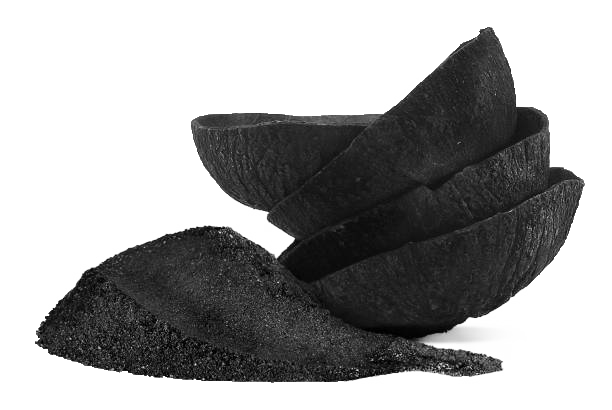
Coconut shell charcoal briquettes are an innovative and eco-friendly alternative to traditional wood charcoal. Made from compressed coconut shells—an agricultural waste product—these briquettes are dense, long-burning, and efficient. They are commonly use for grilling, shisha (hookah), and even industrial applications. In this article we will talking abous advantages of coconut charcoal.
As environmental awareness grows, so does the popularity of coconut charcoal across the globe. More than just a fuel source, it has proven to be a versatile material with a wide range of applications—from purifying air and water to improving soil health. Below are some of the main advantages of coconut charcoal, categorized by its uses as a fuel and as a multipurpose material.
Advantages of Coconut Charcoal
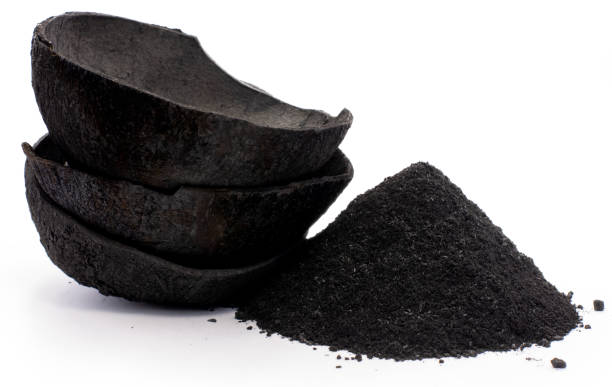
Advantages as a Fuel Source
- Stable and Long-Lasting Heat
Coconut charcoal boasts a high density and calorific value, allowing it to generate consistent and long-lasting heat. This makes it ideal for grilling, barbecuing, and even for use in professional kitchens. Compared to wood-based charcoal, coconut charcoal burns longer and maintains a more stable temperature, making it highly efficient. - Cleaner Combustion
Unlike regular charcoal, coconut charcoal produces significantly less smoke and ash when burned. This is due to its lower moisture content and minimal volatile compounds. The result is a cleaner cooking process that doesn’t leave behind soot or alter the flavor of the food being prepared. For this reason, it is highly favored for use in indoor and enclosed cooking environments. - Chemical-Free and Food-Safe
Coconut charcoal is free from harmful additives such as sulfur or chemical binders. Because it is made purely from natural coconut shells, it is safe for food preparation and does not emit unpleasant odors or tastes when burned. This makes it especially suitable for grilling meats, seafood, and vegetables. - Environmentally Friendly
One of the most significant advantages of coconut charcoal is its sustainability. Made from coconut shells — a renewable and abundant agricultural byproduct — its use helps reduce waste and promotes eco-conscious consumption. In contrast to wood charcoal, its production does not contribute to deforestation, making it a greener choice for the environment.
Advantages as a Multipurpose Material
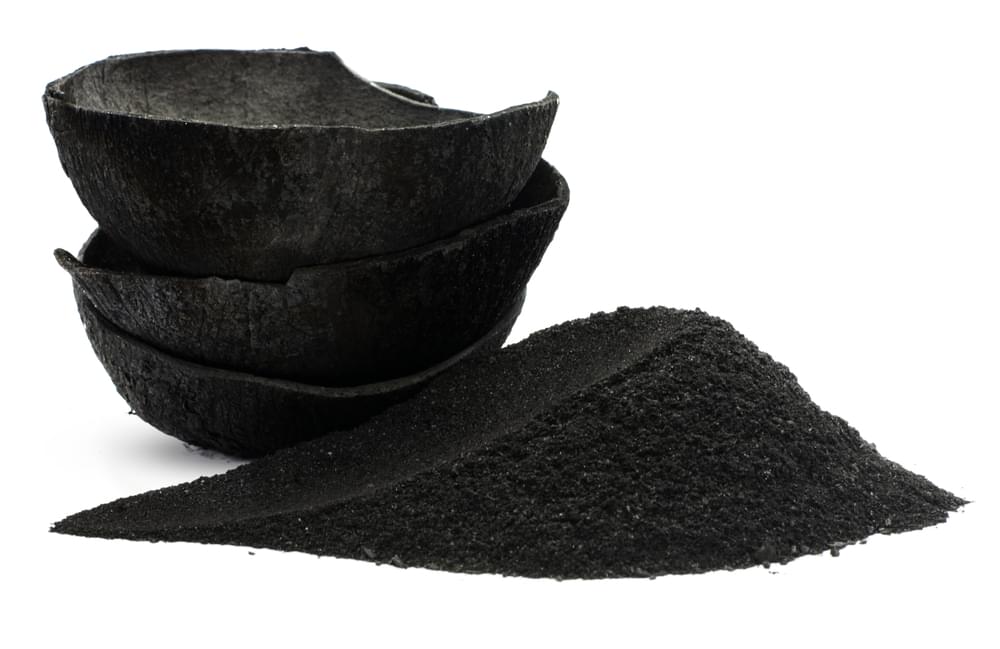
- Excellent Absorbent Properties
Activated coconut charcoal has a highly porous structure, which allows it to absorb toxins, chemicals, and odors effectively. This makes it valuable in water purification systems, air filters, and even in cosmetic products like facial masks and toothpaste. It can trap impurities without leaching harmful substances, making it a safe and powerful detoxifying agent. - Soil Conditioner for Gardening
In horticulture and organic farming, coconut charcoal use as a soil amendment. When added to growing media, it helps retain moisture, regulate nutrient levels, and improve soil aeration. Its porous nature also enhances microbial activity in compost, contributing to healthier plant growth and improved soil fertility over time. - Natural Deodorizer and Detoxifier
Thanks to its strong adsorption capabilities, coconut charcoal is widely used as a natural deodorizer. It can neutralize bad odors in refrigerators, shoes, bathrooms, and pet areas. Additionally, it is often use in health supplements to help cleanse the digestive system by absorbing harmful substances and toxins.
Conclusion
Coconut charcoal is a sustainable and multifunctional material with clear advantages over traditional charcoal. Whether used as a cleaner-burning, longer-lasting fuel source, or as an absorbent and purifying agent in various applications, it offers practical, environmental, and health-related benefits. Its versatility, safety, and eco-friendliness make it an ideal choice for households, industries, and agricultural purposes alike.