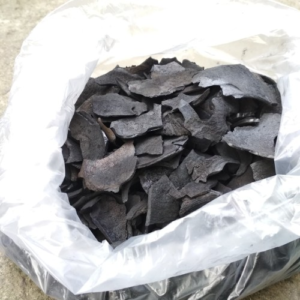
Charcoal from Indonesia is renowned for its high-quality and sustainable production methods. Indonesia is one of the largest producers of charcoal in the world, with a long history of traditional production methods that have been passed down through generations. Indonesian charcoal is primarily made from coconut shells, hardwood, and other natural materials, making it an eco-friendly alternative to traditional charcoal. This sustainable approach to charcoal production has earned Indonesia a reputation as a leading producer of high-quality, environmentally friendly charcoal.
Indonesia’s tropical climate and abundant natural resources make it an ideal location for charcoal production. The process begins with the selection of high-quality raw materials, such as coconut shells or hardwood. These materials are then carefully sorted and cleaned to remove any impurities. Next, the charcoal is produced through a process of pyrolysis, which involves heating the raw materials in the absence of oxygen. This process removes moisture and other volatile components, leaving behind pure carbon in the form of charcoal.
The traditional production methods used in Indonesia rely on natural and sustainable resources, such as coconut shells and hardwood, which are readily available in the region. This approach has led to a reduction in deforestation and environmental damage, as well as the creation of sustainable livelihoods for local communities. Furthermore, Indonesian charcoal is renowned for its high-quality and consistent burning properties, making it a popular choice for a wide range of applications, including cooking, grilling, and smoking.
Challenges in Sourcing Coconut Shells and Maintaining Quality Control
In recent years, Indonesia has increased its efforts to promote sustainable charcoal production and improve the quality of its products. The government has implemented stricter regulations to ensure that charcoal production does not harm the environment, while also providing training and support to local communities to improve their production techniques. As a result, Indonesian charcoal continues to gain popularity worldwide as a high-quality, sustainable alternative to traditional charcoal.
Charcoal from Indonesia is important for local communities’ economic well-being due to the sustainable and traditional production methods used in its creation. The production of charcoal provides income and employment opportunities for many individuals and families in rural areas of Indonesia where few other income-generating activities are available. Many of these individuals work in small-scale charcoal production facilities, which are often family-owned and operated. These facilities typically purchase raw materials, such as coconut shells or hardwood, from local farmers, creating a local supply chain that benefits the community as a whole.
Additionally, the production of charcoal from Indonesia supports the local economy by creating a market for local natural resources. In particular, coconut shells are widely used in the production of Indonesian charcoal, and they are a plentiful resource in many regions of the country. By using these shells to produce charcoal, local communities can generate income from an otherwise unused resource, further contributing to the local economy.
Conclusion | Charcoal from Indonesia
Finally, the sustainable production methods used in the creation of Indonesian charcoal help to protect the environment and preserve natural resources for future generations. This approach to charcoal production ensures that local forests and other natural areas are not overexploited or damaged, helping to maintain the ecological health of the region.
Overall, the production of charcoal from Indonesia plays an important role in supporting the economic well-being of local communities. Through its use of sustainable production methods and support of local farmers and businesses, the charcoal industry creates employment opportunities and helps to support local economies.
Maybe you like to read the following article Manage Erosion Control Coconut Matting Using Coir Geotextiles