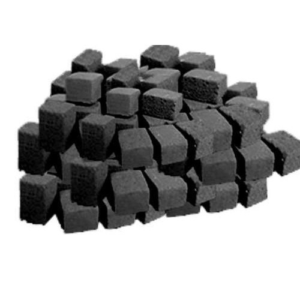
Smokeless charcoal, also known as activated charcoal or activated carbon, is a form of charcoal treated with oxygen to make it more porous and more effective at adsorbing substances. This process involves heating the charcoal to a high temperature in the presence of a gas that doesn’t react with the charcoal, such as nitrogen or carbon dioxide.
The resulting activated charcoal has a vast surface area due to the small pore size of the material, which gives it a high adsorption capacity. This means smokeless charcoal is highly effective at removing impurities and contaminants from air, water, and other substances. It is commonly used in water filtration systems, air purifiers, gas masks, and various industrial applications.
One of the critical benefits of smokeless charcoal is that it produces very little smoke when burned. This is because activated charcoal has a low carbon content, which means it burns at a lower temperature than traditional charcoal. As a result, it produces less smoke and less ash, making it a cleaner and more environmentally friendly fuel source.
Smokeless charcoal is a highly versatile and practical material with many uses in industry, agriculture, and everyday life. Low smoke and ash production make it a cleaner and more environmentally friendly alternative to traditional charcoal. In contrast, its high adsorption capacity makes it an effective tool for removing impurities and contaminants from various substances.
Coconut Charcoal Briquette is A Smokeless Charcoal
Coconut charcoal briquettes can be smokeless if produced through an activation process that increases their surface area and pore size. However, not all coconut charcoal briquettes are smokeless charcoal.
The traditional method of producing charcoal involves burning wood in a low-oxygen environment to remove moisture and volatile compounds, leaving behind a carbon-rich material that can be used as fuel. This type of charcoal can produce smoke and ash when burned.
On the other hand, smokeless charcoal, as I mentioned earlier, is produced by subjecting the charcoal to an activation process that increases its surface area and adsorption capacity. Heating coconut shells can make activated coconut charcoal briquettes in the presence of an activating agent like steam or chemicals. This causes the charcoal to become more porous and effective at adsorbing substances.
Therefore, if the coconut charcoal briquettes have undergone this activation process, they can be considered smokeless charcoal. However, it’s important to note that not all coconut charcoal briquettes are activated this way, and it’s best to check the product’s specifications or labeling to determine whether or not it is smokeless.
You may like to read the article about Manage Erosion Control Coconut Matting Using Coir Geotextiles