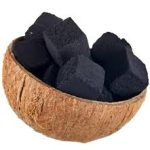
What is coconut charcoal becomes a common question among buyers seeking efficient and eco friendly fuel. Many industries now prefer this sustainable alternative. Moreover, it delivers consistent heat and cleaner combustion. As a result, businesses improve performance and customer satisfaction.
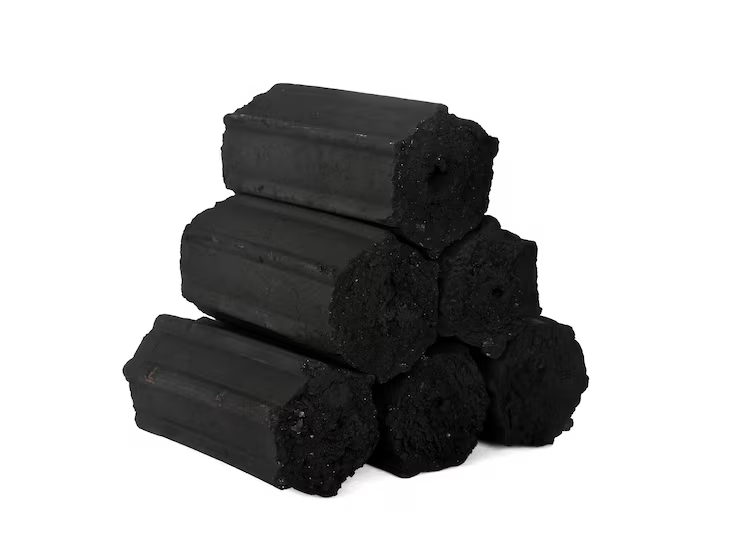
Coconut charcoal comes from carbonized coconut shells. Manufacturers process agricultural waste into high density briquettes. Therefore, they create value from natural byproducts. In addition, this material burns longer than traditional wood charcoal.
What Is Coconut Charcoal and How Is It Produced?
What is coconut charcoal in technical terms? It is produced through controlled carbonization of coconut shells. First, producers clean and dry the raw shells. Then, they burn them in limited oxygen conditions. Consequently, the shells transform into high carbon material.
After carbonization, manufacturers crush the charcoal into fine powder. Next, they mix it with natural binders. Therefore, the mixture becomes ready for molding. They press it into uniform shapes under high pressure. As a result, each briquette has consistent density.
Finally, they dry the briquettes to reduce moisture content. Low moisture ensures faster ignition. Moreover, it supports stable and long lasting combustion.
What Is Coconut Charcoal Used For in Modern Industries?
What is coconut charcoal commonly used for today? Many restaurants use it for barbecue grilling. It provides steady heat for meat and vegetables. Consequently, chefs maintain precise cooking temperatures.
Hookah lounges also rely on coconut based briquettes. They prefer Coconut charcoal because the shape ensures even heat distribution. Furthermore, the cubes produce minimal smoke. Therefore, customers enjoy smoother and cleaner sessions.
In addition, exporters distribute coconut charcoal to international markets. Global buyers value its durability and efficiency. As a result, demand continues to increase every year.
Business Opportunities Related to What Is Coconut Charcoal
Understanding what is coconut charcoal helps entrepreneurs identify profitable opportunities. First, the raw material remains widely available in tropical countries. Therefore, supply stays relatively stable. Moreover, production technology continues to improve efficiency.
Distributors can target barbecue and shisha markets. Both sectors require consistent fuel quality. Consequently, reliable suppliers gain long term partnerships. In addition, eco conscious consumers prefer sustainable products. This trend strengthens market potential.
You can explore more business insights at nyaribisnis.com. The platform shares valuable information about trading opportunities and product strategies. Furthermore, it helps entrepreneurs understand market positioning. Therefore, readers gain practical knowledge for expanding their ventures.
Exploring Sustainable Fuel Solutions and Market Opportunities
First, check the fixed carbon percentage carefully. Higher carbon ensures longer burning duration. Second, evaluate ash content levels. Lower ash improves cleanliness and airflow stability.
Next, examine briquette density and hardness. Strong briquettes resist breaking during shipping. Moreover, uniform size guarantees consistent heat output. Finally, confirm moisture content before distribution. Low moisture prevents excessive smoke during ignition.
By focusing on these indicators, businesses protect their reputation. Consequently, customers receive dependable and premium products.
Conclusion
What is coconut charcoal ultimately defines a sustainable and efficient fuel solution. It transforms coconut shells into valuable high performance briquettes. Moreover, it supports environmental responsibility and long term profitability. Therefore, entrepreneurs who understand this product can build strong and competitive businesses in growing global markets.